

Peel Region
Mandurah is a bustling city less than an hour south of Perth, known as Manjoodoordap by the Noongar people of Western Australia. The Binjareb people of the Noonar Nation are the traditional custodians of the land. The Binjareb language group is part of the larger Noongar nation, which comprises 14 different language groups. Mandurah is also within the Gnaala Karla Booja region, which includes the Binjareb/Pinjarup, Wilman, and Ganeang language groups.
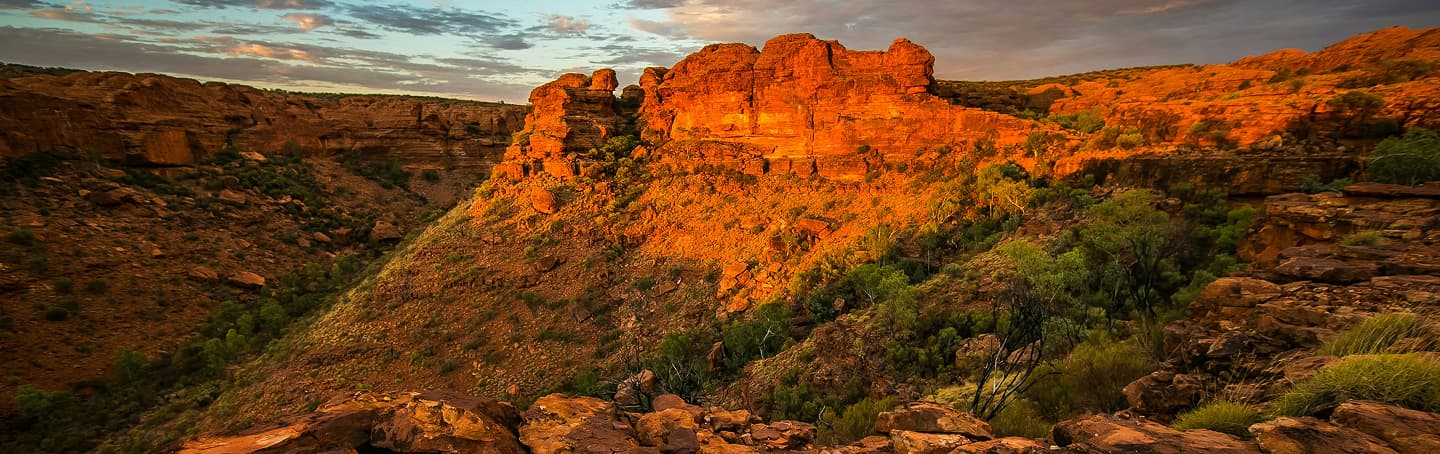
The Peel region incorporates the coast in the west and encompasses the Swan Coastal Plain moving east, and then further over the Darling Scarp and into the wheatbelt region, reaching the eastern boundary of the Boddington Shire. The northern boundary sits with the Shire of Serpentine Jarrahdale at the edge of the Perth City boundary and then stretches south down to the Shire of Waroona and Boddington.
Approximately 5 648km2 in size it includes five local governments, the City of Mandurah and the Shires of Serpentine Jarrahdale, Boddington, Waroona and Murray. The region is home to approximately 170,000, of which Mandurah houses 65% of the region’s population and is the second fastest growing regional city in Australia.
The natural beauty of the environment and activities within in it is the major draw card for the residents and visitors across the region. The region can be split into four distinct environmental landscapes, which include the coastal, Ramsar wetlands and nearshore areas, the Swan coastal plain, forest and scarp and the wheatbelt landscapes at the eastern boundary of the region. Each of these landscapes hold unique features in their geology, vegetation, flora and fauna, as well as having differing threats to the environment.
The region is extremely popular for swimming and surfing at the spectacular beaches and in the rivers, mountain biking, horse trekking and trail running/ walking/ hiking in the forests and paddling in the rivers and estuary which all brings people into the region to enjoy the great outdoors.
There are three main water catchment areas that create the regions significant rivers that all drain into Peel- Harvey Estuary at Mandurah. These are the Murray River, Serpentine River and Harvey River.
The largest river in the catchment is the Murray River, with a catchment size of 10142 km2 and an approximate length of 160 km. The headwaters begin in the wheatbelt as the Hotham River and the Williams River where the water flows through the Darling Scarp and onto the Swan Coastal Plain. It is also joined by the Dandalup River just downstream of Pinjarra. The Murray River is significant to the area as it not only acts as a source of tourism and recreation for residents and visitors, it flows into the Peel Harvey Estuary, which is part of the part of the Peel-Yalgorup Wetlands recognised under the Ramsar Convention as a wetland of international importance (Ramsar Site 482).
The Serpentine River flows in from the northern section of the Peel Region, and it has the smallest catchment in the region, having an area of 664 km2. The headwaters begin at Serpentine Dam and travels through the landscape for 110 km before the waters flow into the Peel Estuary through the lower Serpentine Lakes System. This river travels down the rocky embankments of the Darling Scarp, through the soils of the Swan Coastal Plain into the coastal wetlands. Much of the Serpentine River and its tributaries have been restructured into rural drains to suit agriculture in the region on the Swan Coastal Plain, however there is one 13.12 km stretch of uncleared remnant vegetation left on this system, which is through the Lowlands Reserve, making this site highly valuable ecologically.
The Harvey River is the river that flows from the southern portion of the region into the Peel Harvey Estuary and has the second largest catchment area of 1921 km2. The headwater of this river originates in the Darling Plateau and includes three main tributaries (Drake, Samson and Logue brooks). This river has seven large dams located on the tributaries and the main branch of the river, all with differing uses and capacities, but generally used for irrigation and the integrated water supply.
These three rivers flow into the Peel Harvey Estuary, which form part of the Peel – Yalgorup System and is the largest and most diverse estuarine wetland system in the South-West of WA. It has been recognized and protected internationally under the Ramsar Convention since 1990 and listed as Ramsar site 482.
This system covers 26 530 ha and is made up of the Peel- Harvey Estuary, the Yalgorup National Park, and ten lakes including Lake McLarty, Lake Mealup and Roberts Bay Swamp. This system is extremely important for the diverse number of wildlife, both terrestrial and aquatic.
It is a bird watchers dream due to the 104 species of waterbirds that have been identified in this location, with 35 species being international migratory birds using this area as their annual breeding grounds.
The area is also home to the rare and fragile thrombolites, which grow in Lake Clifton. These are prehistoric micro-organisms that build round domes in the shallows and shoreline of the lake. A boardwalk has been constructed so that visitors can walk out onto the lake to view them without damaging them.
From the coastal and river environments, through to the Darling Scarp and beyond, the area has some amazing natural areas that the community can access.
It enjoys a Mediterranean climate, with warm summers and wet cool winters. The average temperatures in Mandurah on the coast range from 23.4 to 14.8 degrees, whereas the average temperatures become more varied in Boddington, ranging from 31 to 6 degrees. In general, the annual rainfall averages approximately 800 mm along the coast and decreases slightly inland to approximately 400 mm at Boddington.
Community Landcare and Environmental Groups you can join:
|
Group name |
Link |
|
Bouvard Coastcare Group |
|
|
Byford Envirolink |
|
|
Canoe Trail Friends of Mandurah and Pinjarra |
|
|
Darling Downs Residents Association |
|
|
Estuary Guardians Mandurah and Mandurah Volunteer Dolphin rescue |
|
|
Falcon Coastcare |
|
|
Fawna-Fostering and assistance for Wildlife needing Aid |
|
|
Friends of Brickwood Reserve |
|
|
Friends of Island Point |
|
|
Friends of Lake Mclarty |
|
|
Friends of Paganoni Swamp |
https://www.bushlandperth.org.au/groups/friends-of-paganoni-swamp/ |
|
Friends of Ramsar Action Group for the Yalgorup Lakes Environment |
|
|
Friends of Reserves Boddington Inc |
|
|
Friends of Rivers, Peel |
|
|
Friends of Samphire Cove Nature Reserve |
|
|
Harvey River Restoration |
|
|
Harvey River Restoration taskforce |
|
|
Jarrahdale Forest Protectors |
|
|
Jarrahdale Friends of the Park |
|
|
Jarrahdale Heritage Society |
|
|
Keysbrook Environmental Group |
|
|
Lake Clifton- Herron Landcare Group |
|
|
Lake Mealup Preservation Society |
|
|
Landcare SJ |
|
|
Mandurah bird observers Group |
|
|
Mandurah Environment and Heritage Group- |
|
|
Mandurah Tree Advocates |
|
|
Mandurah Waterways Wildlife Group |
|
|
North Yunderup Community Association |
|
|
Peel Harvey Biosecurity Group |
|
|
Peel Preservation group |
|
|
Peel Region Western Ringtail Possum Action Group |
|
|
Serpentine Environmental Group |
|
|
Serpentine River Group |
|
|
SJ Food and Farm Alliance Inc |
|
|
Southern Estuary Progress association |
|
|
Tindale Bushcare |
|
|
WA Forest Alliance |
|
|
WA Naturalist Club – Darling Range |
http://www.wanaturalists.org.au/branches-groups/darling-range/ |
|
Wandering- Hotham Declared Species Group |
|
|
Waroona Landcare Centre |
|
|
Waterbird conservation group |
https://www.bushlandperth.org.au/groups/waterbird-conservation-group/ |
|
Wetlands Conservation Society Inc |
Peel-Harvey Catchment Council
The Peel Harvey Catchment covers more than 1.1 million hectares and stretches from Mandurah in the west through to the areas around Boddington, Wandering, Williams, and Cuballing in the Wheatbelt in the east, and then from the Shire of Serpentine Jarrahdale in the north through to Waroona and Boddington in the south.
Essentially the region is defined by the catchment boundaries for the Harvey, Serpentine and Murray rivers, which feed into the Peel- Harvey Estuary and meets the ocean at Mandurah. The catchment has been broken up into four distinct management subsystems based on the environmental characteristics. Each of these subsystems have their own individual characteristics, NRM issues and project focus.
These subsystems are- Ramsar wetlands, Coast and Nearshore, the Coastal Plain, the Forest and Scarp and the Hotham- Williams.
The main focus areas include, Noongar participation, Feral animal Control, Healthy Rivers, Estuary and Wetlands, weed management, protecting flora and fauna, sustainable development, Agriculture and fisheries, War on Waste, Research, Ramsar 482 and working with the community and citizen science.
Our Catchment | Peel-Harvey Catchment Council
First Nations Cultural Land Management
The South-West Aboriginal Land and Sea Council is the lead body supporting the Regional Corporations across the state. In the Peel region the Aboriginal Corporations with Indigenous Land Use Agreements include:
Gnaala Karla Booja Aboriginal Corporation. The Gnaala Karla Booja region encompasses the towns of Bunbury, Capel, Donnybrook, Balingup, Wickepin, Narrogin, Williams, Mundijong, Kwinana, Brookton, Pingelly, Wagin, Harvey, Collie, Pinjarra, Mandurah and Boddington. https://gkb.org.au/
The South West Native Title Settlement recognizes the Noongar people as the traditional owners of the South West region, acknowledging their continuing cultural, spiritual, and social connections to the land. https://www.noongar.org.au/
There are many other groups that are present in the Peel Region, operate as Aboriginal Corporations, with many managing ranger groups that work and manage Country.
- The Winjan Aboriginal Corporation: based in Mandurah with a mission to provide noongar cultural services and support to the local community.
- The Waroona Aboriginal and Torres Strait Island Corporation: based in Waroona and is active within their community an also has a strong ranger program.
- The Harvey Aboriginal Corporation –is a community initiative designed to educate, inspire and reconcile all peoples with traditional aboriginal knowledge and customs. The corporation offers many different services to the community.
- Wiilman Aboriginal Corporation- This group was created in order to lead cultural heritage management relating to the Dryandra Woodlands National park, with elders being members of the board of management for the park.
First nations Ranger groups:
- Winjan Rangers- works closely with organisations such as the PHCC, Local Governments, Research bodies such as Murdoch University and other community and NGO to achieve positive environmental outcomes.
- Waroona Rangers- work closely with organisations such as the Harvey River Restoration taskforce, the Waroona Shire, police and local schools.
- Wilman Dryandra Ranger team- Looking after country within the Dryandra National Park.
Land use/ Agriculture
The Peel region supports over 44 361 jobs with an annual economic output of $28.63 Billion. Due to the diverse landscape that the Peel Region sits across, there is a wide variety of different land uses, from horticulture, beef and dairy farming, forestry and broadacre farming enterprises. The region also has the worlds largest bauxite mine, mineral sands and Australia’s largest producing gold mine.
Peel Region Economy, Jobs, and Business Insights | Summary | REMPLAN
