

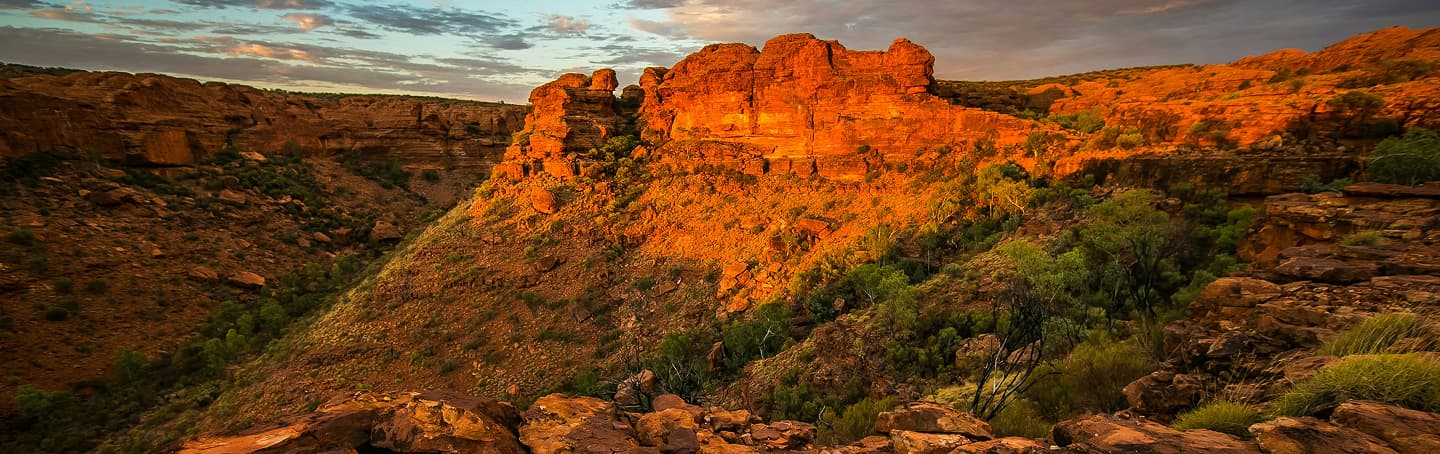

The Great Southern Region
You will be blown away with the stunning natural landscapes of the Great Southern of Western Australia, which show cases ancient mountain ranges, deep forests, spectacular coastlines, rich cultural heritage and productive agriculture. These natural landscapes make the area significant for both residents and tourists.
Stretching across 200 km of the southern coast adjacent to the Southern Ocean from the Shire of Denmark in the southwest to the Shire of Jerramungup in the southeast, and 200 km inland covering the Shires of Kent in the northeast and the Shire of Kojonup in the northwest, the region covers 39,007 km2, or 1.5% of the whole state.
There are eleven local governments in this region which is home to approximately 61,879 people. The community within this region ranges in size from small rural villages and towns through to the main regional centre being the City of Albany. The local governments within the region include; the Shires of Denmark, Plantagenet, Cranbrook, Kojonup, Woodanilling, Katanning, Broomehill-Tambellup, Kent, Gnowangerup, Jerramungup and the City of Albany.
The region has a mediterranean climate, which is characterised by hot dry summers and cool, wet winters. It has been noted that there has been a significant drop in rainfall and an increase in summer temperatures since the 1960’s, especially noted around Narrogin and Albany. It is expected that these trends will continue into the future.
The Great Southern is the location of a biodiversity hotspot, which is based around the Fitzgerald River in Ravensthorpe. A biodiversity hotspot is an area characterized by an extraordinarily large number of endemic plant species that are found in relatively small areas that are facing serious through from human activities. There are 36 identified hotspots in the world, 15 in Australia and eight in Western Australia. The South West of Australia is a globally recognized biodiversity hotspot, as it contains half of the areas identified in Western Australia.
If you are looking for an adventure in nature, then the Great Southern region will not disappoint! The vegetation types vary from mallee scrub in the north-east, through to Karri forests in the south-west.
Two significant ranges that are ancient in age rise out of the earth and become prominent features in the landscape. These are the Stirling Ranges, which includes Western Australia tallest peak in the southern half of the state, Bluff knoll standing at 1095 m, and the Porongurup ranges. Both of these areas are renowned for their unique flora and fauna and draw people from far and wide to experience what they have to offer.
In addition to the land-based attractions for the region, the beauty of the expansive coastline is next to none, with famous beaches such as Misery beach near Albany and Greens Pool near Denmark being some of the many highlights.
The Great Southern is home to seven National Parks, with the parks having the largest areas being the Fitzgerald National Park, Stirling Ranges National Park and the West Cape Howe National Park. Most of the National Parks in this region hug the coastline and incorporate spectacular ocean and coastline views.
The Stirling Range National Park covers approximately 116 000 ha and is located 13 km to the east of Cranbrook and is a trailblazers dream. Whether you are hiking or driving, there are many tracks and trails to explore and so many different wildflowers to discover. The area is also popular for camping as people get back to nature. In winter, at times the highest peak, Bluff Knoll is known to have snow at the peak, which is yet another draw card for the region.
The largest park in the region is the Fitzgerald River National Park, which covers approximately 330 000 ha, and is found between Bremer Bay and Hoptoun. The park is home to 75 rare and endangered plant species, which are found nowhere else in the world! This diverse park has something for everyone, from bird watching, to whale watching, spectacular flowers and landscapes and beautiful coasts for all of those water activities.
West Cape Howe National Park is located approximately 25 km west of Albany and covers an area of approximately 42 000 ha. It is renowned for wide range of landscapes and a variety of different native vegetation types and being the southern-most point of mainland Western Australia. It has the Bibbulmun track passing through the area as well as many 4WD tracks and low-key camping at Shelley Beach.
The smaller National Parks of the region include the Porongurup National Park (approximately- 2511 ha), Hassell National Park (approximately 1264 ha), Waychinicup National Park (approximately 5310 ha) and William Bay National Park (approximately 1734 ha), Torndirrup National Park (approximately 1264 hectares). They have all been specifically created for the protection of the unique landscapes, features and the flora and fauna of the region. All but two of these National Parks are located along the coast.
Supporting the spectacular environment in this region is an equally significant number of community groups doing fantastic work in the protection, preservation and restoration of the landscape. If you are in region and want to contribute to the great work being done here, browse the groups below and get involved.
Community landcare and environmental groups you can join
|
Group name |
Link |
|
Albany and Surrounds Feral Cat Working Group |
|
|
Albany Community Environment Centre INC |
|
|
Albany Heritage Reference Group Aboriginal Corporation |
|
|
Banjelungup Aboriginal Corporation |
https://www.acnc.gov.au/charity/charities/83e4cd79-3aaf-e811-a95e-000d3ad24c60/people |
|
Binalup Aboriginal Corporation |
|
|
Bushcarers Group Inc |
|
|
CLAWS- Cat Laws and Wildlife Survival |
https://sites.google.com/view/clawsworkinggroup/home?authuser=0 |
|
Denmark Bird Group Incorporated |
|
|
Denmark Environment Centre |
|
|
Denmark Weed Action Group Inc |
|
|
Dujimerrup Twonkup Aboriginal Corporation |
|
|
Fitzgerald Biosphere Group |
|
|
Frenchman Bay Association |
|
|
Friends of Booyiup Wetlands |
https://estuaries.dwer.wa.gov.au/booyiup-centennial-park-wetland/ |
|
Friends of the Fitzgerald River National Park Inc |
|
|
Friends of the Porongorup Range Association Inc |
|
|
Friends of the Western Ground Parrot |
|
|
Friends of Yakamia creek |
https://estuaries.dwer.wa.gov.au/the-next-phase-of-restoration-begins-for-yakamia-creek/ |
|
Friends of Yakamia Forest |
|
|
Gilberts Potoroo Action Group |
|
|
Gillamii Centre |
|
|
Gnowangerup Aboriginal Corporation |
|
|
Gondwana link |
|
|
Great Southern Reef |
|
|
Healthy Estuaries WA |
|
|
Kalgan River Stewards |
|
|
Katanning Landcare Inc |
|
|
Kendenup Bushland Management Group |
|
|
King River Weed Control and River Restoration Group |
|
|
Kojonup Aboriginal Corporation |
|
|
Local Environmental Awareness Forum |
|
|
Lower Blackwood LCDC |
|
|
Lower Kalgan Community Association |
|
|
Noongar Land Enterprise Group |
|
|
North Stirlings Pallinup Natural Resources |
|
|
Nullaki Conservation Initiative |
https://gondwanalink.org/gond_projects/nullaki-feral-control/ |
|
Ongerup Women in Farming Enterprise |
https://womeninfarming.org.au/our-branches-blog/ongerup-branch |
|
Oyster Harbour Catchment Group |
|
|
Owl Friendly Denmark |
|
|
Ranges Link – Stirling to Porongorup Group |
|
|
Ravensthorpe Agricultural Initiative Network |
https://www.gga.org.au/group/ravensthorpe-agricultural-initiative-network-rain/
|
|
Rocky Gully Catchment Group |
|
|
South Coast Management Group |
|
|
South Coast Natural Resource Management Inc |
|
|
South East Reference Group |
|
|
Southern Aboriginal Corporation |
|
|
Southern Biosecurity Group |
|
|
Stirling to Coast Farmers |
|
|
Swan Point SWAT (Sydney Wattle Action Team) |
|
|
Tambellup Noongar Land Aboriginal Corporation |
|
|
Tambellup Aboriginal Progress Association |
|
|
The Kodja Place |
|
|
Torbay Catchment Group |
|
|
WA Farmers – Blackwood zone |
|
|
WA Farmers Association – Central great Southern |
|
|
Wagyl Kaip Southern Noongar Aboriginal Corporation |
|
|
Walitj Aboriginal Corporation |
|
|
Wildflower Society of WA Inc (Albany branch) |
https://www.wildflowersocietywa.org.au/branches/albany-branch/ |
|
Wilson inlet catchment Committee |
|
|
Yongergnow Malleefowl Centre |
|
|
Youngs Siding Community Association Inc – Lowlands Coastcare group |
South Coast NRM is the main NRM group for the Great Southern region. The South Coast NRM covers more than 8.6 million hectares and includes 8000 hectares of islands and 1 million hectares of ocean.
This area stretches from Walpole in the west to Cape Arid in the east and from the ocean to the Shire of Dundas in the north. This area covers the catchments for all of the southerly flowing rivers and some land-based systems.
The group focusses on preserving and enhancing the regions natural and cultural assets and creating strong links with all members of the community. Major project themes include sustainable agriculture, Threatened species, priority landscapes, regional community natural capital
First nations Land Management Activity links
The Great Southern region is the ancestral lands of the Menang, Kaneang, Njunga and Goreng Noongar peoples, and it also covers parts of the Wudjari and Wilman land. The Great Southern falls within the Wagyl Kaip and Southern Noongar portion of the South West Native Title settlement.
- Southern Aboriginal Corporation- With offices in Albany, Katanning, Bunbury and Narrogin, this organisation was established to represent the interests of Noongar people across the Great Southern, South West and Wheatbelt Regions of WA.
- Badgebup Aboriginal Corporation – This organisation is working with local Elders to build capacity through training and employment. It continues to develop opportunities for local Noongar people through partnerships within the region stretching from Katanning to Esperance.
- Binalup Aboriginal Corporation - The organisation is focussed on developing and expanding on their Ranger program in order to continue to employ more Noongar people to support them to connect back to Country.
- Noongar Land Enterprise Group The (NLE) group is a community-not for profit growers’ group that is found in the South West and Great Southern that represents nine landholding groups. The aim of the group is to help the community to move from passive to active land management through business development on country.
- Gnowangerup Aboriginal Corporation- Located in Gnowangerup the organization actively pursues partnerships and opportunities to build capacity within the community. The group focuses on landscape renewal and sustainable land management.
- Wagyl Kaip Southern Noongar Aboriginal Corporation-This group manages the Native Title Settlement for the Wagly Kiap Southern Noongar Region, and aims to support and inspire a strong unified people through working in partnerships with other organisations on projects and on country. They also manage three different ranger groups for the region.
- Walitji Aboriginal Corporation – Cares for country and fosters connection through a 600 ha of land used for sheep farming.
Ranger groups
- Binalup Rangers – Working on country preserving cultural heritage and working on feral animal control, cultural burns, trail maintenance (with the Bibbulman Foundation for the Bibbulman Track), protecting endangered species and eradicating noxious weeds. They also care for the elders by helping them with free firewood over winter.
- SAC -Aboriginal Rangers -The ranger program aims to empower and train young people to care for and protect country through hands on work focussed on land management activities such as revegetation, habitat restoration, threatened species protect and engaging in cultural knowledge transfer.
- Badgebup - Ngoolark Rangers – The key areas of focus include Conservation and Land Management, Horticulture and Bushfood and Cultural Heritage Tourism through working on projects in partnership with Greening Australia, Gondwana Link and the Shire of Katanning and Kent.
- Ngowanjerindji Rangers- a team delivering ecological restoration and environmental services located in Gnowangerup.
- Wagyl Kaip Southern Noongar Aboriginal Corporation Rangers Program – The rangers program provides opportunities for young people to gain on country skills and knowledge through land management activities such as fire breaks and fire management, weed and pest control, rehabilitation, track maintenance and cultural protection and restoration.
Landuse and Agriculture in the Region
The Great Southern region supports over 26,889 jobs and has an economic output of $11.679 Billion. The agriculture, forestry and fishing sectors make the greatest economic contribution to this total, with agriculture making up 70% of the Great Southern region.
Tourism is also significant in this area with an average of 840 000 people visiting annually.
Great Southern Region Economy- Summary
